
Kabuli chana, the large, cream-coloured chickpea used in everything from chole bhature to hummus, is one of the most protein-rich, fibre-loaded plant foods available in India. Whether you’re trying to eat healthier, manage your weight, or simply cook more at home, understanding kabuli chana fully changes how you look at it. In this guide, we cover everything what it is, what it’s called in English, its protein and calorie count, health benefits, current price, and how to cook it the right way.
What is Kabuli Chana?
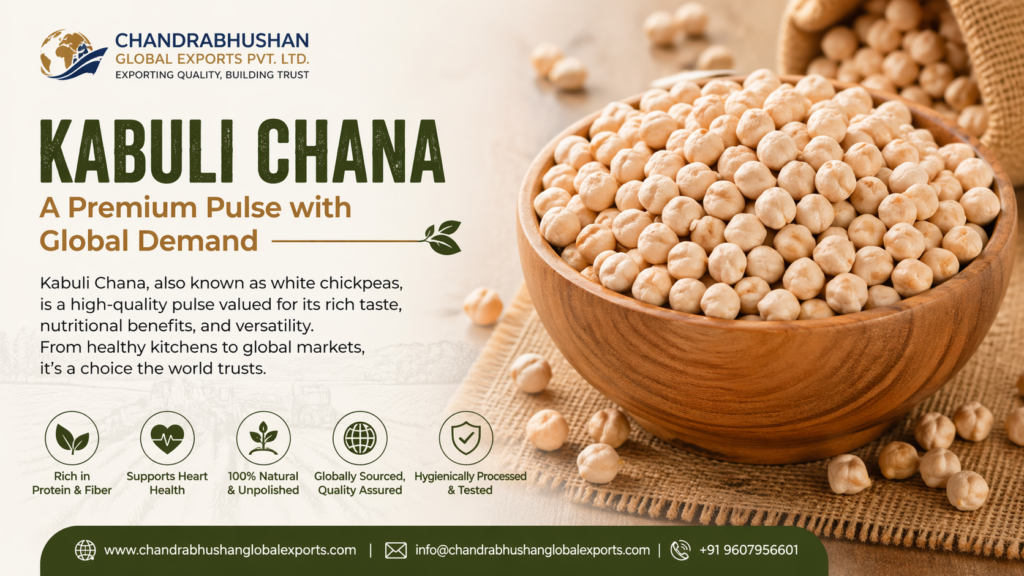
Kabuli chana is the Hindi name for white chickpeas, widely known in English as chickpeas or garbanzo beans. The term “kabuli chana in English” translates directly to chickpeas, and they belong to the legume family Cicer arietinum. The “kabuli” name refers to Kabul, Afghanistan reflecting the historical trade route through which these larger, smoother chickpeas entered the Indian subcontinent.
Kabuli Chana: Mild Flavor, Meaty Texture
Unlike their smaller, darker cousin desi chana (Bengal gram), kabuli chana has a mild, slightly nutty flavour, a smooth beige coat, and a meatier texture after cooking. This makes them incredibly versatile they work equally well in rich, spiced Indian curries, Mediterranean-style salads, roasted snacks, and protein-packed wraps.
Chana in the Age of Vegan Protein
They are consumed across South Asia, the Middle East, the Mediterranean, and increasingly across the Western world primarily driven by the explosion of plant-based diets and the rising demand for vegan protein sources.
Kabuli Chana Nutrition in 100 Grams?
In 100 grams of cooked kabuli chana, you get roughly 160–165 calories, making it a balanced, energy-dense food. It delivers around 8–9 grams of plant-based protein along with 7–8 grams of fiber, supporting both muscle health and digestion. The carb content (~27 grams) provides steady energy without sharp spikes when paired with its fiber. It’s also rich in iron, folate, magnesium, and potassium.
Kabuli Chana Nutrition (Raw / Dried) per 100g:
| Nutrient | Amount |
|---|---|
| Calories | ~364–367 kcal |
| Protein | ~19–21g |
| Carbohydrates | ~61g |
| Dietary Fiber | ~12–17g |
| Fat | ~6g |
| Iron | ~6.2mg |
| Magnesium | ~115mg |
| Folate (Vitamin B9) | ~557mcg |
Cooked per 100g:
| Nutrient | Amount |
|---|---|
| Calories | ~164 kcal |
| Protein | ~8.9g |
| Carbohydrates | ~27g |
| Dietary Fiber | ~7.6g |
| Fat | ~2.6g |
Benefits of Kabuli Chana
1. Exceptional Plant-Based Protein Source
For vegetarians and vegans in India, getting enough quality protein is always a challenge. Kabuli chana is one of the rare plant foods that delivers a meaningful protein hit roughly 14–15g per cooked cup along with all essential amino acids (though in varying proportions). Pair it with a grain like rice or roti, and you get a near-complete amino acid profile on a plate.
2. Full for Hours: Great for Weight Management
Fibre slows digestion, keeps blood sugar levels stable, and prevents hunger spikes. Research consistently shows that people who include legumes like chickpeas in their meals eat fewer calories overall throughout the day without consciously restricting food. One cup of cooked kabuli chana contains nearly 12–14g of total fibre, which covers roughly 40–50% of your daily recommended fibre intake.
3. Supports Heart Health
Kabuli chana contains soluble fibre that actively helps reduce LDL (“bad”) cholesterol by binding to it in the digestive tract and removing it from the body. Additionally, the magnesium, potassium, and folate content in chickpeas contribute to healthy blood pressure regulation and reduced arterial inflammation. Regular legume consumption has been linked in multiple studies to a meaningfully lower risk of cardiovascular disease over time.
4. Regulates Blood Sugar
One of the most underrated kabuli chana benefits is its low glycemic index (GI). Kabuli chana has a GI score of around 28–33, which is considered very low. This means it causes a slow, gradual rise in blood sugar rather than a sharp spike. For people managing Type 2 diabetes or insulin resistance, adding chickpeas to meals is a practical dietary intervention not just a tip. The resistant starch in kabuli chana also acts as a prebiotic, feeding beneficial gut bacteria.
5. Rich in Iron, Folate & B Vitamins for Energy
Fatigue and low energy are often tied to iron deficiency, especially in women. Kabuli chana is a solid non-heme iron source at about 6mg per 100g (raw). It’s also exceptionally high in folate with about 557mcg per 100g of raw chickpeas making it critical for pregnant women, cell repair, and nervous system health. The B-vitamins (especially B6 and thiamine) in chickpeas also play a role in converting food into usable energy at the cellular level.
6. Gut Health & Digestion
The combination of soluble and insoluble fibre in kabuli chana acts as food for your gut microbiome. Regular consumption supports a diverse, healthy colony of gut bacteria, which in turn influences immunity, mood, and metabolism. The resistant starch in chickpeas essentially travels to your large intestine undigested.
7. Anti-Ageing & Antioxidant Protection
A range of antioxidants including polyphenols, flavonoids, beta-carotene, and Vitamin E. These compounds neutralise free radicals the unstable molecules that accelerate cell ageing, skin damage, and chronic disease. It’s not a beauty supplement, but a consistent diet rich in antioxidant-dense whole foods like chickpeas does have a measurable impact on oxidative stress markers in the body.
How Most Indians Eat Kabuli Chana
Here’s the uncomfortable truth most households either over-cook kabuli chana (destroying heat-sensitive nutrients), or eat it in forms that negate its benefits. Deep-fried chole bhature loaded with refined flour, or overly oily curry drowning in cream, are common culprits. The chickpea is doing its job the preparation is the problem.
Two key issues to address:
Soaking time matters
Most people under-soak their kabuli chana (less than 4 hours). This increases cooking time, reduces digestibility, and retains anti-nutrients like phytic acid that can interfere with iron and zinc absorption. Soak for 8–12 hours minimum.
Over-reliance on canned chickpeas.
Canned kabuli chana (common in urban households) contains significantly higher sodium levels and often has reduced potassium levels due to processing. If you use canned, rinse thoroughly under cold water before use.
Kabuli Chana Price in India (2025 Guide)
Current Market Rates (March 2026):
- Mandi/Wholesale rate: ₹79–₹100 per kg (varies by region and variety)
- Retail / Branded (1kg pack): ₹120–₹179 per kg (brands like Rajkot-based suppliers)
- Online (Bigbasket, Amazon): ₹96–₹179 per kg depending on brand and organic certification
- Organic kabuli chana: ₹150–₹250+ per kg from speciality/organic brands
1kg price in branded packaging from stores typically sits in the ₹120–₹160 range, with NAFED’s government-sourced variant available at around ₹96/kg on their official platform one of the most cost-effective options if you’re buying in bulk.
Price varies significantly based on:
- Seed size (larger “dollar gram” variety commands a premium)
- Organic vs conventional
- Region (Madhya Pradesh and Gujarat mandis tend to have better rates)
- Packaging (loose vs branded pouch)
Kabuli Chana Protein Per 100g
It is a strong plant-based protein source, offering around 19 grams of protein per 100g (dry weight), making it ideal for muscle support and daily nutrition. Its balanced amino acid profile, when paired with grains like rice or roti, creates a complete protein meal. Beyond protein, it also provides fiber, iron, and essential minerals that support digestion and overall health.
Raw Dried Kabuli Chana
It provides around 19–21g of protein per 100g, along with approximately 364–367 kcal, making it a dense and reliable plant-based energy source. It is also rich in complex carbohydrates and dietary fiber, which helps in sustaining energy levels and keeping you full for longer periods.
Cooked Kabuli Chana (Boiled, No Salt)
It contains about 8.9g of protein per 100g and roughly 164 kcal, as water absorption reduces its overall nutrient density per gram. Even then, it remains a good source of fiber and supports digestion while fitting well into calorie-conscious diets.
Cooked Kabuli Chana (1 Cup / ~164g)
A standard serving of cooked kabuli chana, around 1 cup (164g), delivers approximately 14–15g of protein and about 269 kcal. This portion offers a balanced combination of protein, slow-digesting carbs, and essential micronutrients like iron and folate, making it ideal for everyday meals in a plant-based lifestyle.
For someone eating 1600–2000 calories per day and trying to hit 80–100g of daily protein, two cups of cooked kabuli chana throughout the day provides 28–30g nearly a third of the daily target, from a food that costs less than ₹15 per serving.
Types of Chana: Kabuli Chana vs Other
When people say “chana,” they’re usually referring to different varieties of chickpeas, each with distinct taste, texture, and nutritional use. The most common comparison is between kabuli chana and desi chana.
Kabuli Chana vs Desi Chana (Kala Chana)
Kabuli chana is the larger, cream-colored variety with a smooth outer skin and a mild, slightly nutty flavor. After cooking, it becomes soft and slightly buttery, which is why it works well in dishes like chole, hummus, and salads.
Desi chana, often called kala chana, is smaller, darker (brown or black), and has a rough outer coat. It has a stronger, earthier taste and remains firmer after cooking. Nutritionally, desi chana is slightly higher in fiber and has a lower glycemic index, making it more suitable for blood sugar control and weight management.
Kabuli Chana vs White Chickpeas (Canned/Processed)
White chickpeas found in cans are usually processed kabuli chana. The main difference lies in convenience and slight nutrient loss. Canned versions are pre-cooked and softer but may contain added sodium and preservatives.
Kabuli Chana vs Green Chana (Hara Chana)
Green chana is the fresh, unprocessed form of chickpeas, often available seasonally. It has a softer bite and a slightly sweet, fresh taste compared to the dry nuttiness of kabuli chana.
Nutritionally, green chana retains more natural enzymes and vitamin C (which is mostly lost in dried versions). However, it has a shorter shelf life and limited availability.
Kabuli Chana vs Chana Dal
Chana dal is not a different plant but split and polished desi chana. It cooks faster and has a mild, slightly sweet flavor. It’s commonly used in dals, snacks, and flours (besan).
Kabuli chana stands out for its size, soft texture, and adaptability across cuisines, especially in global and plant-based diets. On the other hand, desi chana and its forms (like kala chana and chana dal) offer slightly better fiber content and metabolic benefits.
If your goal is taste and versatility, kabuli chana fits better. If your focus is glycemic control, digestion, and traditional nutrition, desi chana varieties have an edge. Most balanced diets actually benefit from using both in different meals rather than choosing one over the other.
How to Cook Kabuli Chana: Step by Step
Step 1: Soak Properly
Rinse raw under cold water, then soak in 3x the volume of water for 8–12 hours (overnight is ideal). Soaking reduces phytic acid, softens the chana, and cuts cooking time significantly.
Step 2: Boil or Pressure Cook
- Stovetop: Drain soaking water, add fresh water, bring to a boil, then simmer for 60–90 minutes until tender.
- Pressure cooker: 3–4 whistles on medium flame after the first whistle. Check for tenderness.
- Instant Pot: High pressure for 40 minutes with natural release.
Step 3: Season After Cooking
Add salt only after the chana is fully cooked. Adding salt during boiling toughens the skin and results in uneven cooking.
Step 4: Use in Any Dish
Cooked kabuli chana can be used in chole masala, salads, hummus, chaat, roasted snacks, pasta, soups, or simply tossed with olive oil and spices.
Pro tip: Freeze cooked chana in portion-sized containers. Reheats perfectly in 5 minutes and saves significant prep time during the week.
Chana Recipe: 15-Minute Chana Chaat
1. 15-Minute Chana Chaat
This is the fastest and most popular way to use kabuli chana, especially when you want something tangy and filling without cooking for long.
Ingredients:
Boiled chana (1 cup), finely chopped onion, tomato, green chili, coriander leaves, lemon juice, chaat masala, black salt, roasted cumin powder.
1. 15-Minute Chana Chaat
This is the fastest and most popular way to use kabuli chana, especially when you want something tangy and filling without cooking for long.
2. Spicy Chana Masala
Ingredients:
Boiled chana (1.5 cups), onion (finely chopped), tomato puree, ginger-garlic paste, oil, cumin seeds, turmeric, red chili powder, coriander powder, garam masala, salt.
Method:
Heat oil in a pan, add cumin seeds, then sauté onions until golden. Add ginger-garlic paste and cook for a minute. Then tomato puree and spices, cook until oil separates. Then boiled chana with some water and simmer for 10–15 minutes. Finish with garam masala and coriander.
3. Roasted Chana Snack
Ingredients:
Boiled chana (dried well), olive oil, salt, red chili powder, turmeric, optional paprika or peri-peri seasoning.
Method:
Pat dry the boiled chana completely. Toss with oil and spices. Roast in a pan or oven at 200°C for 20–25 minutes, stirring occasionally until crispy.
4. Chana Salad Bowl
Ingredients:
Boiled chana (1 cup), cucumber, bell peppers, onion, lettuce, olive oil, lemon juice, salt, black pepper.
Method:
Combine all vegetables and chana in a bowl. Drizzle olive oil and lemon juice. Add salt and pepper, then toss well.
5. Chana Wrap (Protein Roll)
Ingredients:
Whole wheat roti or wrap, boiled chana, onion slices, mint chutney, yogurt or mayo (optional), spices.
Method:
Lightly sauté chana with basic spices if needed. Spread chutney on the roti, add chana and onions, drizzle yogurt or sauce, and roll tightly.
Insights of Chana
Insight 1:
Kabuli chana absorbs spices and masalas far better when cooked in a wide, heavy-bottom pan (not a pressure cooker) for the final curry stage. The extra moisture from slow cooking creates a deeper, restaurant-style flavour.
Insight 2:
If it causes bloating for you, add a small piece of dried ginger or ajwain (carom seeds) to the soaking water. This significantly reduces the gas-causing oligosaccharides in the outer skin.
Insight 3:
The aquafaba the liquid from cooked/canned kabuli chana — is a powerful egg substitute in vegan baking. 3 tablespoons of aquafaba = 1 egg white. Don’t throw it away.
Insight 4
Organic once typically has slightly higher micronutrient density and lacks pesticide residue, but the protein and fibre content is functionally equivalent to conventional variants. Worth buying organic if the ₹30–₹50/kg premium is manageable for your budget.
Insight 5:
For maximum iron absorption, always pair kabuli chana dishes with a Vitamin C source — lemon juice, raw tomato, or amla. Iron from plant sources (non-heme iron) absorbs at a fraction of the rate of animal iron unless paired with Vitamin C.
People Also Ask
Q1. What is kabuli chana called in English?
Kabuli chana is called chickpeas or garbanzo beans in English. It belongs to the legume family and is scientifically known as Cicer arietinum. The term “kabuli” traces back to Kabul, Afghanistan, from where this variety was historically traded into South Asia. It is the same legume used to make hummus, chana masala, and falafel across the world.
Q2. How much protein does kabuli chana contain per 100g?
Cooked kabuli chana contains approximately 8.9 grams of protein per 100g. In its raw, dried form, the protein content is higher — around 19–21g per 100g because there is no added water weight. One cooked cup (around 164g) provides roughly 14–15g of protein, making it one of the best plant-based protein sources available in India.
Q3. What is the current kabuli chana price in India?
As of March 2026, it is priced at approximately ₹79–₹100 per kg at wholesale mandi rates. Branded retail packs of 1kg range between ₹120–₹179 depending on the brand and region. Organic varieties can cost ₹150–₹250 per kg. Prices vary by seed size, region, and packaging type.
Q4. Is kabuli chana good for weight loss?
Yes, It supports weight loss effectively. Its high dietary fibre (around 7–12g per 100g cooked) and protein content promote fullness and reduce overall calorie intake. The low glycemic index prevents blood sugar spikes that trigger cravings. It is calorie-moderate at around 164 kcal per 100g cooked, making it an ideal high-volume, low-calorie food for weight management.
Q5. What is the difference between kabuli chana and desi chana?
Kabuli chana is larger, lighter (cream/beige coloured), has a smooth coat, and has a milder flavour. Desi chana (Bengal gram) is smaller, darker, has a rougher coat, and is slightly higher in fibre and resistant starch. Both are nutritionally excellent, but desi chana has a marginally lower glycemic index.
Q6. How many calories are in kabuli chana?
Cooked chana contains approximately 164 calories per 100g. In raw/dried form, the caloric value is around 364–367 kcal per 100g. One cup of cooked kabuli chana (164g) delivers approximately 269 calories along with 14–15g protein, 7g+ fibre, and significant amounts of iron, folate, and magnesium.
Frequently Asked Questions (FAQs)
Q1. Can I eat kabuli chana every day?
Yes, consuming it daily in moderate portions (1 cup cooked) is safe and beneficial for most people. Its rich fibre content supports gut health and regular bowel movement. However, those with irritable bowel syndrome (IBS) may want to moderate intake as high-fibre legumes can trigger symptoms.
Q2. Is kabuli chana better cooked or sprouted?
Both forms have merit. Cooked kabuli chana is easier to digest and offers better protein and carbohydrate availability. Sprouted kabuli chana has lower phytic acid, slightly higher Vitamin C content, and improved mineral bioavailability but lower caloric density. For daily use in meals, cooked is more practical. Sprouted chana works well as a raw snack or salad topping.
Q3. Is kabuli chana suitable for people with diabetes?
Absolutely. It has one of the lowest glycemic index (GI) scores among legumes, approximately 28–33. This means it causes a very gradual rise in blood glucose unlike refined carbs. The resistant starch also acts as a prebiotic, which helps with metabolic health.
Q4. What is the shelf life of raw kabuli chana?
Properly stored raw (dried) It lasts 2–3 years in an airtight container at room temperature, away from moisture and direct sunlight. After cooking, It can stays fresh in the refrigerator for up to 5 days, or can be frozen for up to 3 months without significant loss of texture or nutrition.
Q5. Does kabuli chana cause gas and bloating?
For some people, yes especially if they’re not accustomed to a high-legume diet. The culprit is a group of complex sugars called oligosaccharides that the human gut cannot fully digest, leading to fermentation and gas production. Soaking overnight, discarding the soaking water, and cooking with digestive spices like ajwain, ginger, or hing (asafoetida) dramatically reduces bloating effects.
Q6. What is the difference between organic and regular kabuli chana?
Organic kabuli chana is grown without synthetic pesticides or chemical fertilisers, which reduces residue exposure and is better for long-term environmental sustainability. Nutritionally, both are largely similar in protein, fibre, and micronutrient content. The organic variant is typically priced ₹30–₹80/kg higher. If budget allows, organic is a cleaner choice especially for daily consumption.