
You’ve probably spotted gulkand inside a meetha paan or swirled into a creamy falooda. But this sweet, fragrant preserve made from rose petals is far more than just a flavour booster it’s one of Ayurveda’s most celebrated cooling remedies. Whether you’re battling summer heat, an unhappy gut, or stress-driven skin breakouts, gulkand has been quietly solving these problems for centuries. And now, modern nutrition science is beginning to back what your dadi always knew.
What Is Gulkand?
The word gulkand comes from Persian gul means rose, and kand means sugar. So at its most basic, gulkand is a rose petal jam: fresh petals slowly layered with sugar (traditionally mishri or rock sugar) and left to mature in sunlight over several weeks. What you get is a thick, fragrant, deep-pink preserve with a cooling effect on the body that’s almost medicinal.
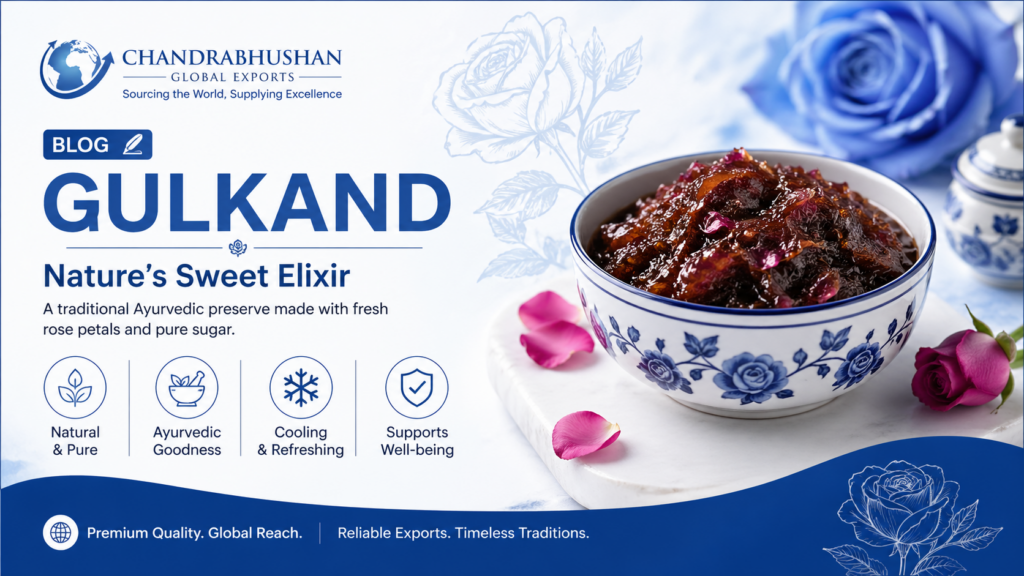
In English, gulkand is often called rose petal jam or rose petal preserve. It’s been used for generations across India, Pakistan, and the Middle East both as a food ingredient and as an Ayurvedic remedy for heat, acidity, and digestion issues.
The rose variety matters. Traditional gulkand is made from the Damask rose (Rosa damascena) or the desi gulab, both of which are prized for their high essential oil content and potent antioxidant profile. Commercial brands sometimes use other varieties, but the health benefits are most concentrated in these aromatic, double-petalled roses.
Types of Gulkand You’ll Find in the Market
Before we get to benefits, it’s worth knowing that not all gulkand is the same. Here’s what you’ll typically come across:
Plain Rose Gulkand
The classic. Fresh rose petals + sugar, nothing else. This is the purest form and the most widely available. It’s what most Ayurvedic practitioners recommend.
Butter Gulkand
A richer version where gulkand is blended with butter or ghee. Popular as a spread or as a filling in sweets and parathas. It’s indulgent, but the combination of rose’s cooling properties and ghee’s digestive benefits makes it surprisingly functional too.
Gulkand with Nuts
Some artisanal brands add pistachios, almonds, or cashews to the base. Great for energy, and the added protein and healthy fats slow down sugar absorption.
Pan Masala or Paan-Style Gulkand
This is the version you’ll find in betel leaf preparations. Often sweeter and may contain additional flavouring. Not always the purest option for health benefits.
Gulkand Ice Cream
A wildly popular summer treat, especially in Maharashtra and Gujarat. Gulkand is folded into vanilla or malai ice cream base, giving it a floral, cooling twist. You’ll find it at most premium ice cream parlours during peak summer.
Gulkand Sweet (Mithai)
Used as a filling in modaks, ladoos, and barfis. The floral sweetness pairs beautifully with khoya and coconut-based sweets.
Gulkand Benefits You Should Know
1. It Cools the Body From the Inside Out
Gulkand is classified as a sheetal (cooling) food in Ayurveda, which means it directly reduces excess pitta the internal heat that causes acidity, inflammation, and irritability. Think of it this way: when you eat spicy food and feel that burning sensation, that’s pitta running high. A spoonful of gulkand works almost like a natural antacid, but without the chemicals.
2. Supports Digestion and Relieves Constipation Gently
This is arguably gulkand’s most celebrated benefit and the one most people reach for it for. The natural compounds in rose petals, including pectin-like fibres, gently stimulate bowel movement without the cramping or urgency that chemical laxatives often cause. Regular consumption of 1–2 teaspoons daily can significantly ease constipation, reduce bloating, and improve overall digestive rhythm.
3. Rich in Antioxidants That Fight Cellular Damage
Fresh rose petals are one of nature’s richest sources of flavonoids and polyphenols specifically quercetin, kaempferol, and anthocyanins. These compounds are powerful antioxidants that neutralise free radicals, which are the unstable molecules responsible for ageing, inflammation, and chronic disease.
Research published in journals on phytochemistry confirms that Damask rose extracts show significant antioxidant activity comparable to some pharmaceutical compounds. When you eat gulkand regularly, you’re giving your body a daily dose of these protective compounds in a form that’s highly bioavailable because it’s fermented slowly with sugar.
4. Improves Skin Health and Gives a Natural Glow
Gulkand benefits for skin are well-documented in traditional Ayurvedic texts, and modern dermatology is starting to agree. The antioxidants in rose petals fight oxidative stress, which is a major driver of dull, tired-looking skin. The cooling properties also reduce skin inflammation helpful if you’re dealing with heat rashes, acne triggered by summer heat, or rosacea. People often use leftover gulkand as a face mask base mixed with honey or curd the natural sugars provide gentle exfoliation while the rose compounds hydrate and soothe.
5. Provides Sustained Natural Energy
Gulkand’s natural sugar content primarily from mishri or cane sugar — provides a quick energy release. But what makes it different from a candy bar is that it comes packaged with phytonutrients, trace minerals (including potassium and magnesium from rose petals), and natural volatile oils that have a mild adaptogenic effect.
In Ayurvedic practice, gulkand is considered a rasayana — a rejuvenating food that builds ojas (vital energy). For people who experience afternoon slumps, fatigue during summer, or low energy tied to heat stress, a teaspoon of gulkand with warm milk in the morning can be a surprisingly effective pick-me-up.
6. Supports Women’s Health Especially During Menstruation and Menopause
This is a benefit that doesn’t get enough attention. Rose petals have long been used in Ayurveda to balance hormonal fluctuations, and gulkand concentrates those benefits.
During menstruation, gulkand helps reduce cramping, manage the body heat that often accompanies periods, and ease mood swings through its calming effect on the nervous system. Women who deal with heavy bleeding often find that regular gulkand consumption helps regulate their cycle over time.
During menopause when hot flashes, disrupted sleep, and mood volatility are common — gulkand’s cooling and nervine (nerve-calming) properties offer real relief. The natural phytoestrogens present in rose petals may also play a role in easing the hormonal transition, though this area still needs more clinical research.
7. Acts as a Natural Mouth Freshener and Oral Health Support
One of gulkand’s most immediate benefits is breath freshness. The antibacterial properties of rose essential oils inhibit the growth of bacteria responsible for bad breath. That’s precisely why gulkand is a core ingredient in meetha paan it was a traditional post-meal digestive and breath freshener long before modern mouthwashes existed.
Beyond freshness, the anti-inflammatory properties of rose compounds may also support gum health and reduce oral inflammation. Far better than sugar-loaded breath mints.
The Problem With with Digestive Health
Here’s something worth thinking about: according to a 2023 survey by the Indian Council of Medical Research, over 22% of urban Indians report chronic digestive discomfort — including bloating, acid reflux, and irregular bowel movements. This number spikes to nearly 35% during peak summer months, when heat slows digestion and increases pitta.
Most people reach for antacids, OTC digestive tablets, or just suffer through it. But antacids taken regularly can deplete magnesium and calcium, disrupt the gut’s natural acid balance, and lead to rebound acidity. The Indian digestive supplement market was valued at over ₹8,500 crore in 2023 — a sign of just how many people are looking for solutions.
Gulkand offers something rare: a food-based remedy that works on the root cause (excess heat, gut inflammation, sluggish digestion) rather than just masking symptoms. It’s not a medicine — but consumed regularly and correctly, it’s a meaningful intervention.
Gulkand Nutrition
Rose petals, the primary ingredient, are not just aromatic they’re nutritionally meaningful. Here’s what the phytochemical analysis of Damask roses shows:
- Vitamin C: A significant source, supporting immune function and collagen synthesis.
- Flavonoids (quercetin, kaempferol): Anti-inflammatory, antioxidant, and potentially anti-cancer.
- Tannins: Astringent compounds that soothe the gut lining and reduce diarrhoea-type symptoms.
- Volatile oils (geraniol, citronellol): Antibacterial, calming to the nervous system, and responsible for the signature rose aroma.
- Natural sugars: From mishri or cane sugar — quick energy, but also necessary for the fermentation process that makes the bioactive compounds in rose petals more absorbable.
The slow sun-fermentation process used in traditional gulkand-making is key. Unlike heat processing, sun-fermentation preserves the volatile oils and polyphenols that would otherwise be destroyed. This is why traditionally made gulkand (using the slow method) is considered more potent than mass-produced variants.
✦ Practical Insights: What Gulkand Users Actually Notice
- Most people report improved bowel regularity within 7–10 days of taking 1 teaspoon daily on an empty stomach.
- Gulkand with cold milk at bedtime is a popular home remedy for insomnia triggered by summer heat the cooling + magnesium combination genuinely helps.
- Athletes and people who work outdoors in high heat often use gulkand as a natural electrolyte and cooling snack between meals.
- People with recurring mouth ulcers (especially heat-induced ones) find consistent relief with gulkand a benefit even many practitioners underutilise.
- Adding gulkand to morning smoothies is a growing trend among urban health-conscious consumers who want a natural sweetener with functional benefits.
How to Make Gulkand at Home (Traditional Recipe)
Making gulkand at home is genuinely easy the hard part is waiting. Here’s the traditional method:
What you need:
- 2 cups fresh rose petals (desi gulab or Damask roses must be pesticide-free)
- 1.5 cups mishri (rock sugar), crushed, or fine cane sugar
- A clean, wide-mouthed glass jar
- Direct sunlight for 4–6 weeks
Method:
- Wash rose petals gently and pat completely dry. Even a little moisture can spoil the batch.
- Layer petals and sugar alternately in the glass jar — petals first, then sugar, then petals again.
- Press down gently, seal with a cloth or loose lid (not airtight — it needs to breathe slightly).
- Place in direct sunlight for at least 4 weeks. Stir gently every 2–3 days.
- As the weeks pass, the petals will release moisture, the sugar will dissolve, and the mixture will turn into a thick, fragrant jam.
- After 4–6 weeks, your gulkand is ready. Store in a cool, dry place or refrigerate.
Optional additions: A pinch of cardamom powder, a few strands of saffron, or 1 tablespoon of rose water can be added to enhance aroma and potency.
Shelf life: Up to 1 year if stored properly in an airtight glass container away from moisture.
How to Eat Gulkand: Best Ways to Use It Daily
Gulkand is incredibly versatile. Here are the most effective and delicious ways to work it into your routine:
- The classic way: 1–2 teaspoons directly, first thing in the morning or after meals.
- With milk: Mix a teaspoon into warm or cold milk. Add a pinch of cardamom for a proper gulkand milk that helps with sleep and digestion.
- As a spread: Spread on roti, toast, or a paratha instead of jam or butter for a naturally sweet, healthy alternative.
- In rose sharbat: Dissolve a tablespoon in cold water with lemon juice and ice for a cooling summer drink.
- Gulkand ice cream: Fold 3–4 tablespoons into softened vanilla ice cream and refreeze. Instant festive treat.
- In paan: The traditional way. Gulkand is the heart of a good meetha paan.
- As a face mask: Mix with raw honey for dry skin or curd for oily skin. Apply for 10–15 minutes and rinse.
Gulkand Price: What to Expect in 2025
Gulkand price per kg varies based on quality and brand:
- Mass-market / commercial gulkand: ₹120–₹250 per kg
- Organic or artisanal gulkand: ₹400–₹800 per kg
- Premium saffron or nut-infused gulkand: ₹900–₹1,500 per kg
If you’re searching for gulkand near me, you’ll find it at most Ayurvedic stores, paan shops, and kirana stores across India. .
Pros and Cons of Gulkand
The Good
- Completely natural: No chemicals, no synthetic additives in the traditional form.
- Multi-benefit: Addresses heat, digestion, skin, energy, and oral health simultaneously.
- Easy to include: No special preparation needed just a spoon from the jar.
- Accessible: Available everywhere in India, affordable at most price points.
- Culturally rooted: Part of Indian food tradition, not a trend-driven supplement.
The Limitations
- High in sugar: Not suitable in large amounts for people with diabetes or insulin resistance without a doctor’s guidance.
- Calorie-dense: 1 tablespoon provides approximately 45–55 calories, mostly from sugar. Moderation matters.
- Quality varies wildly: Mass-market often contains synthetic rose flavouring and preservatives — defeating the purpose.
- Slow-acting: Unlike medication, you need consistent daily use for 2–4 weeks to see meaningful digestive benefits.
- Allergies: People allergic to roses (though rare) should exercise caution.
People Also As
What is gulkand in English?
It is called rose petal jam or rose petal preserve in English. It’s made from fresh rose petals (typically Damask roses) and sugar, slowly fermented in sunlight. The name comes from Persian — gul (rose) + kand (sugar).
What are the main gulkand benefits?
It cools the body, improves digestion, relieves constipation, boosts skin health through antioxidants, provides natural energy, freshens breath, and supports women’s hormonal health. It’s particularly effective for heat-related digestive and skin issues.
How much gulkand should I eat per day?
The recommended amount is 1–2 teaspoons (5–10 grams) per day. This is enough to get the digestive and cooling benefits without excess sugar intake. More than 2–3 tablespoons daily is not advisable for most people.
Can diabetics eat gulkand?
It is high in sugar and is not recommended for people with uncontrolled diabetes. If you have well-managed blood sugar and want to try it, consult your doctor first and limit intake to half a teaspoon occasionally.
Is gulkand good for skin?
Yes. The antioxidants in rose petals (quercetin, vitamin C, kaempferol) reduce oxidative stress and inflammation, which improves skin clarity and reduces heat-induced breakouts. Regular consumption can give a subtle natural glow over 3–4 weeks.
What is rose gulkand used for in paan?
Rose gulkand is the main sweetener and flavouring in meetha paan. It provides the characteristic floral-sweet flavour, acts as a digestive, and leaves the mouth refreshed. It’s also what distinguishes meetha paan from other varieties.
Frequently Asked Questions
Is butter gulkand different from regular one?
Yes. It is a variation where gulkand is blended with butter or ghee, making it richer and more indulgent. It’s used mainly as a spread or sweet filling. Regular gulkand (rose petals + sugar only) is more suitable for therapeutic purposes, while butter gulkand is more of a culinary treat.
Can children eat gulkand?
Children above 5 years can have a small amount (half a teaspoon) of gulkand occasionally. It’s not recommended as a daily supplement for young children without a paediatrician’s advice, especially if they have diabetes, allergies, or frequent stomach upsets. Always choose preservative-free gulkand for children.
How is gulkand ice cream made?
Gulkand ice cream is made by folding 3–4 tablespoons of gulkand into softened vanilla or malai ice cream and refreezing. Some recipes also add rose water and crushed pistachios for a more festive version. The floral sweetness of gulkand pairs naturally with creamy bases.
What’s the difference between gulkand and rose jam?
Traditional gulkand uses raw, uncooked rose petals fermented with sugar in sunlight no heat involved. Western-style rose jam is typically cooked on a stovetop like any other fruit jam. The sun-fermentation process used in gulkand preserves the volatile oils and heat-sensitive antioxidants that cooking would destroy, making gulkand nutritionally superior.
Can I make gulkand with any rose variety?
Technically yes, but the best results come from Damask roses (Rosa damascena) or Indian desi gulab — these have the highest concentration of essential oils and polyphenols. Garden roses grown with pesticides should never be used. If you can’t source Damask roses, look for edible-grade dried rose petals as an alternative.
Does gulkand expire?
Traditionally made to stored in a clean, airtight glass container in a cool dry place can last up to 1 year. Once opened, refrigerate and consume within 6 months. Watch for any off-smell, mould, or colour change these indicate spoilage. Commercial gulkand will have a printed expiry date, typically 12–18 months from manufacture.