
Table of Contents
- What Is Kokum?
- Kokum in English
- Scientific Name and Origin of Kokum
- Nutritional Value of Kokum
- Health Benefits of Kokum
- Helps with Digestion
- Cools the Body
- Supports Weight Management
- May Help Manage Acidity
- Rich in Antioxidants
- Uses of Kokum in Daily Life
- In Food and Curries
- In Drinks and Summer Beverages
- In Traditional Remedies
- In Export and Food Processing
- How to Use Kokum Properly
- Kokum Recipes You Can Try
- Kokum Sherbet
- Kokum Curry
- Kokum Chutney
- Difference Between Kokum and Other Souring Agents
- Kokum vs Tamarind
- Kokum vs Lemon
- Side Effects of Excess Kokum Consumption
- How to Store Kokum Properly
- How to Choose Good Quality Kokum
- Kokum Export Market and Demand
What Is Kokum
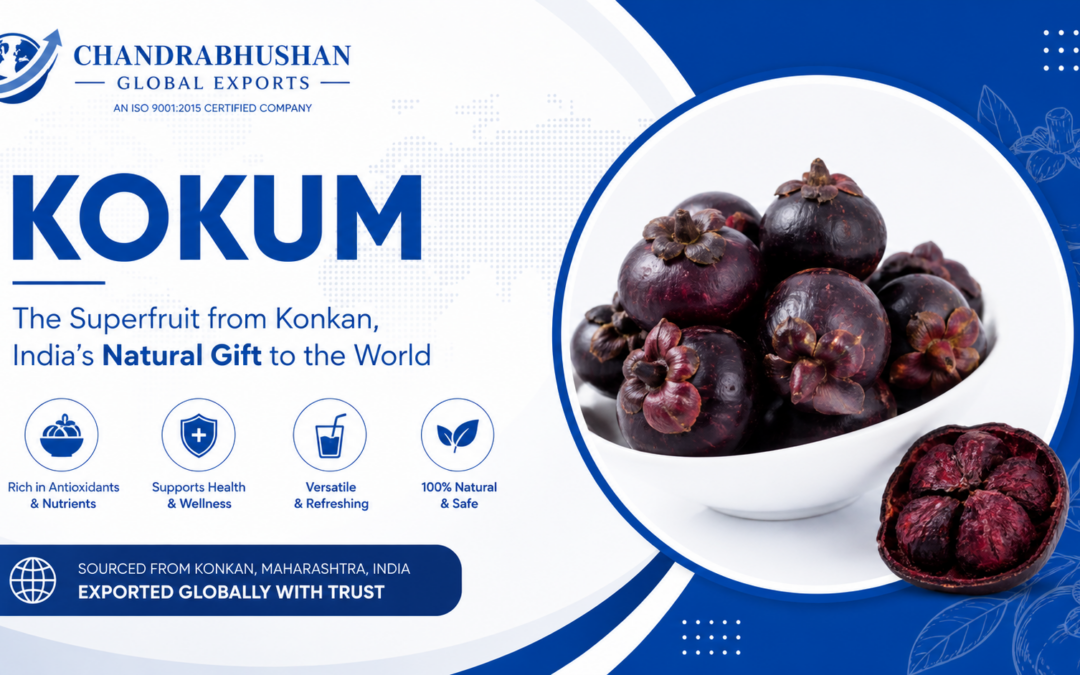
It is a dark purple-red tropical fruit that grows on the Garcinia indica tree, native to the Western Ghats of India. The kokum tree is an evergreen species that thrives in the humid coastal belt stretching from southern Gujarat through Maharashtra, Goa, and Karnataka down to Kerala. A mature kokum tree can live for decades and produces fruit seasonally between March and May right when the Indian summer is at its most brutal, which is honestly not a coincidence.
Kokum in English
It doesn’t have a single universally accepted name. It’s sometimes called Mangosteen (though it’s related to but distinct from the Southeast Asian mangosteen), Indian butter tree, or simply Garcinia fruit. In Hindi, kokum in Hindi is written as कोकम (kokam). In Marathi it’s kokam, in Konkani it’s birondd, and in Malayalam it’s kudampuli or punampuli.
Dry kokum
It is essentially the rind of the fruit that’s been sun-dried. It shrivels up into small, dark, slightly sticky pieces that look a bit like dried tamarind. This dried form is what you’ll find in most Indian grocery stores and what most Konkan and Goan kitchens stock year-round.
Many Forms of Kokum
Kokum Fruit (Fresh)
Available only during the harvest season (March–May). The fresh fruit is sour and astringent raw, not something you’d eat straight like a mango. The rind is the prize.
Dry Kokum
The most common form. Sun-dried kokum rinds are used in Konkan cooking — tossed into fish curries, sol kadhi, and dals to add sourness and a distinctive earthy depth that tamarind simply can’t replicate.
Kokum Juice / Kokum Drink
Made by soaking dry kokum in water, sometimes with jaggery, black salt, cumin, and ginger. This is the everyday cooling drink of coastal Maharashtra. It’s tangy, hydrating, and incredibly refreshing.
Kokum Sharbat / Kokum Syrup
A concentrated, sweetened version of kokum juice. It’s syrup or crush is diluted with water or soda before drinking. Brands like Mapro sell ready-made kokum crush that’s popular across India. You can also make it at home by boiling kokum with sugar and spices until you get a thick syrup.
Kokum Butter
This is extracted from the seeds of the fruit, not the rind. It’s butter is a solid, white fat that’s used extensively in the cosmetics and pharmaceutical industry. It’s a great emollient meaning it melts into skin easily and is used in lip balms, moisturizers, and hair products. It’s also edible and used as a cocoa butter substitute in confectionery.
Kokum in Curry
In Goan and Konkani cuisine, kokum is added to fish curries and sol kadhi (a pink, creamy digestive drink made with coconut milk and kokum) as the souring agent. It gives a milder, less sharp sourness compared to tamarind.
Kokum Benefits You Should Know for health
1. Powerful Antioxidant
The deep red-purple color of kokum isn’t just pretty it’s because of anthocyanins, a class of plant pigments that are potent antioxidants. It also contains garcinol, a polyisoprenylated benzophenone compound that has shown significant free-radical scavenging ability in laboratory studies. Antioxidants matter because they help neutralize oxidative stress in the body, which is linked to ageing, inflammation, and chronic disease.
2. Supports Digestive Health Naturally
One of the oldest uses of kokum in Ayurveda is as a digestive tonic. It is known to have carminative properties meaning it helps reduce bloating, gas, and indigestion. Sol kadhi, the traditional Goan drink made with kokum and coconut milk, has been consumed after heavy meals for generations precisely because it aids digestion. The organic acids in kokum, including hydroxycitric acid (HCA), help stimulate digestive enzymes. Research indicates that Garcinia indica extract may help protect the gastric lining, making it potentially useful for people who suffer from acidity or mild gastritis.
3. May Aid in Weight Management
Hydroxycitric acid (HCA) the bioactive compound found in kokum has been studied for its potential role in weight management. HCA is believed to inhibit an enzyme called ATP-citrate lyase, which the body uses to convert excess carbohydrates into fat. Early studies, mostly animal-based, suggest that HCA may help reduce fat accumulation and suppress appetite. It’s important to note that while these findings are promising, large-scale human clinical trials are still limited. It is not a magic weight-loss solution, but as part of a balanced diet, it may support healthy metabolism.
4. Natural Cooling and Heat-Stress Relief
This one is backed by both traditional use and basic physiology. It’s juice and kokum sharbat are genuinely cooling not just because the drink is served cold, but because kokum has been shown to help regulate body temperature and reduce heat-induced fatigue. Electrolytes like potassium in kokum help replenish what you lose through sweat. This is why It is a summer staple in the Konkan region, consumed during agricultural labour and travel in extreme heat.
5. Anti-Inflammatory Properties
Garcinol, a key compound in kokum, has demonstrated anti-inflammatory activity in multiple laboratory studies. Chronic low-grade inflammation is at the root of many modern conditions from metabolic syndrome to joint pain to cardiovascular risk. While it would be premature to say kokum is a treatment for any inflammatory condition, including it in your diet as part of an overall anti-inflammatory eating pattern makes good nutritional sense. Animal studies have shown that garcinol can suppress certain pro-inflammatory markers in the body.
6. Liver-Protective Potential
Some preclinical research has looked at kokum’s effect on liver health, particularly its ability to protect liver cells from oxidative damage. Garcinol and the flavonoids in kokum may help reduce lipid peroxidation in the liver a process where free radicals damage fat molecules in liver cells, leading to liver stress. This doesn’t mean kokum is a liver treatment, but it does suggest that regular dietary consumption may support liver resilience over time. Given how central liver health is to overall metabolism, this is a benefit worth paying attention to.
7. Skin and Hair Benefits
It butter extracted from the seeds is rich in essential fatty acids like stearic acid and oleic acid. It’s non-comedogenic (doesn’t clog pores), absorbs easily, and has been shown to help improve skin elasticity and hydration. In dermatology circles, kokum butter is increasingly seen as a gentler, sustainable alternative to shea butter or cocoa butter. It’s also used in hair conditioning products. Traditional communities in the Konkan region have applied kokum butter to dry skin and cracked heels for generations.
Kokum Benefits for Gut Health
What the Research Actually Says
It sits in an interesting scientific space deeply validated by centuries of traditional use, and increasingly being explored by modern nutrition science, but not yet supported by large-scale human clinical trials. Most of the hard data on garcinol and HCA comes from in vitro (cell studies) and animal studies. This doesn’t mean the benefits aren’t real it means they’re real enough to include kokum in your diet confidently, but not real enough to make medical claims.
Here’s what nutritional science does support with reasonable confidence: It is a low-calorie, high-antioxidant fruit. A 100g serving of fresh kokum provides roughly 60–70 calories, 1–2g of fiber, vitamin C, and various polyphenols. The dried rind concentrates these compounds even further. Its hydroxycitric acid content is well-documented, and its use as a souring agent means it typically replaces less nutritious acidulants in cooking.
Kokum and Gut Microbiome
Emerging research in gut health suggests that polyphenol-rich foods positively influence gut microbiota composition. Anthocyanins which kokum contains in good amounts have been shown in multiple studies to act as prebiotics, feeding beneficial gut bacteria. A healthy gut microbiome is linked to better immunity, mood regulation, and metabolic function. While no study has specifically mapped kokum’s effect on the gut microbiome in humans, its polyphenol profile strongly suggests it would fit into any gut-health-supportive diet.
Detox Claims vs. Reality
It is often marketed in wellness spaces as a “detox” ingredient. The truth is your body already has an excellent detox system your liver and kidneys. No single food “detoxes” you. What it does is support these organs with antioxidants and anti-inflammatory compounds that help them function optimally. That’s a meaningful distinction. Supporting your body’s natural cleansing systems is real nutrition science. Claiming kokum “flushes toxins” is marketing.
What Kokum Users Actually Notice
Here are some real-world observations from people who regularly use it in their diet:
- Better digestion after meals: Many people report significantly less bloating and gas when they have a small glass of kokum juice after lunch or dinner consistent with its carminative reputation.
- Reduced post-exercise fatigue: Athletes and fitness enthusiasts in coastal regions swear by kokum sharbat as a post-workout recovery drink the electrolytes and anti-inflammatory compounds may explain why.
- Less sugar craving: The natural tartness of kokum tends to satisfy the sour-sweet craving without the sugar hit of packaged beverages.
- Skin improvement with kokum butter: Consistent use of kokum butter on dry patches, elbows, and cracked heels shows visible improvement within 3–4 weeks for most users.
- Mood and energy in summer: Several people note feeling more alert and less heat-fatigued on days when they drink kokum sharbat compared to plain water or sugary alternatives.
Kokum Sharbat Benefits
It is more than a refreshing summer drink. When made the traditional way kokum soaked overnight, then mixed with black salt, roasted cumin powder, a touch of sugar or jaggery, and sometimes fresh ginger it becomes a functional beverage that covers multiple health bases at once.
Benefits of kokum sharbat in summary:
- Hydrates and replenishes electrolytes lost through sweat
- Supports digestive comfort, especially after rich or heavy meals
- Provides antioxidants from anthocyanins and garcinol
- Naturally alkalizing effect helps balance stomach acidity
- Lower-sugar than most commercial soft drinks when made at home
- Cooling effect on the body during extreme heat
The benefits of kokum sharbat are best realized when it’s consumed regularly during summer and made without excessive refined sugar. Using black salt instead of regular salt adds trace minerals and enhances the digestion-supporting properties.
Pros and Cons of Kokum
Pros:
- Highly nutritious, low-calorie, and loaded with antioxidants
- Versatile usable as a drink, in cooking, in skincare
- Affordable and widely available across India, especially in summer
- Backed by long tradition of safe use in Ayurveda and regional cooking
- Suitable for most people including children and the elderly
Cons:
- Fresh fruit is highly seasonal and regionally specific
- The sour taste can be intense — takes some adjustment for uninitiated palates
- Commercial kokum products (crushes, syrups) often contain added sugar and preservatives
- Not enough large-scale human clinical trials to make strong medical claims
- The dried form can sometimes have excess salt added as a preservative — always check labels
People Also Ask
What is kokum and how is it used?
It (Garcinia indica) is a sour tropical fruit from India’s Western Ghats. It’s used in cooking as a souring agent in curries and chutneys, made into a refreshing drink called kokum sharbat, processed into kokum syrup for beverages, and its seeds yield kokum butter used in skincare. It’s especially popular in Goan, Maharashtrian, and Konkan cuisines.
What are the main kokum benefits for health?
It is rich in antioxidants (anthocyanins and garcinol), has anti-inflammatory properties, supports digestive health, may aid in weight management through its hydroxycitric acid content, and helps cool the body during heat stress. Kokum butter is also beneficial for skin hydration and hair care.
Is kokum juice good for you every day?
Yes, a moderate daily serving of fresh kokum juice — especially homemade without excess sugar is a nutritious choice. It provides antioxidants, electrolytes, and digestive support. Avoid over-sweetened commercial versions if you’re consuming it daily, and consult a doctor if you have kidney issues, as kokum is naturally acidic.
What is kokum called in English?
Kokum doesn’t have one single English name. It’s often referred to as Indian Mangosteen or Garcinia fruit. Its botanical name is Garcinia indica. In scientific literature, it’s most frequently referred to by its scientific name rather than a common English one.
How is kokum sharbat made at home?
Soak 8–10 pieces of dry kokum in 2 cups of water for 4–6 hours or overnight. Squeeze and strain the liquid. Add black salt, roasted cumin powder, and jaggery or sugar to taste. Dilute with chilled water or soda. Garnish with fresh mint. Makes a cooling summer drink ready in minutes.
Is kokum butter the same as kokum fruit?
No, they come from the same plant but are different products. Kokum fruit refers to the rind (dried or fresh), which is used in food and drinks. Kokum butter is extracted from the seeds of the fruit through pressing. It’s a solid fat with skincare and cosmetic uses, not typically used in cooking or beverages.
FAQs
Q: Can kokum be used for acidity and heartburn?
A: It has traditionally been used to manage acidity in Ayurveda. Despite being sour, it has an alkalizing effect in the body post-digestion. However, if you have severe GERD or chronic acidity, consult your doctor before using it regularly, as the initial acidity of the drink may aggravate symptoms in some people.
Q: Where can I buy kokum in India outside of coastal regions?
A: Dry kokum is available at most large grocery stores, organic food shops, and online platforms across India. Kokum syrup and kokum crush are also available from brands like Mapro at major supermarkets. In cities like Mumbai, Delhi, Bangalore, and Pune, specialty stores stocking Goan and Konkan ingredients typically carry it.
Q: Is there a difference between kokum and tamarind?
A: Yes both are souring agents used in Indian cooking, but they have very different flavor profiles. Tamarind is more intensely sour and has a fruity, slightly sweet depth. Kokum gives a cleaner, more mellow sourness with a slightly astringent finish and a beautiful red-purple color to dishes. They’re not interchangeable in most recipes.
Q: How should dry kokum be stored at home?
A: Store dry kokum in an airtight container in a cool, dry place away from moisture and direct sunlight. If stored properly, it can last 6–12 months without losing its potency. In humid climates (like coastal cities during monsoon), refrigerating it extends its shelf life further.
Q: Is kokum safe during pregnancy?
A: Small amounts of kokum used as a food flavoring (in curries or chutneys) are generally considered safe during pregnancy. However, concentrated kokum juice or large quantities of kokum supplements should be avoided without medical advice, as there’s limited research on high-dose consumption during pregnancy.
Q: Does kokum help with weight loss?
A: It contains hydroxycitric acid (HCA), which has been studied for potential fat-metabolism benefits in preclinical research. However, it’s not a standalone weight-loss solution. It can support a balanced diet by replacing sugary drinks with a lower-calorie alternative and may mildly support metabolic health — but no single food causes weight loss without lifestyle changes.