
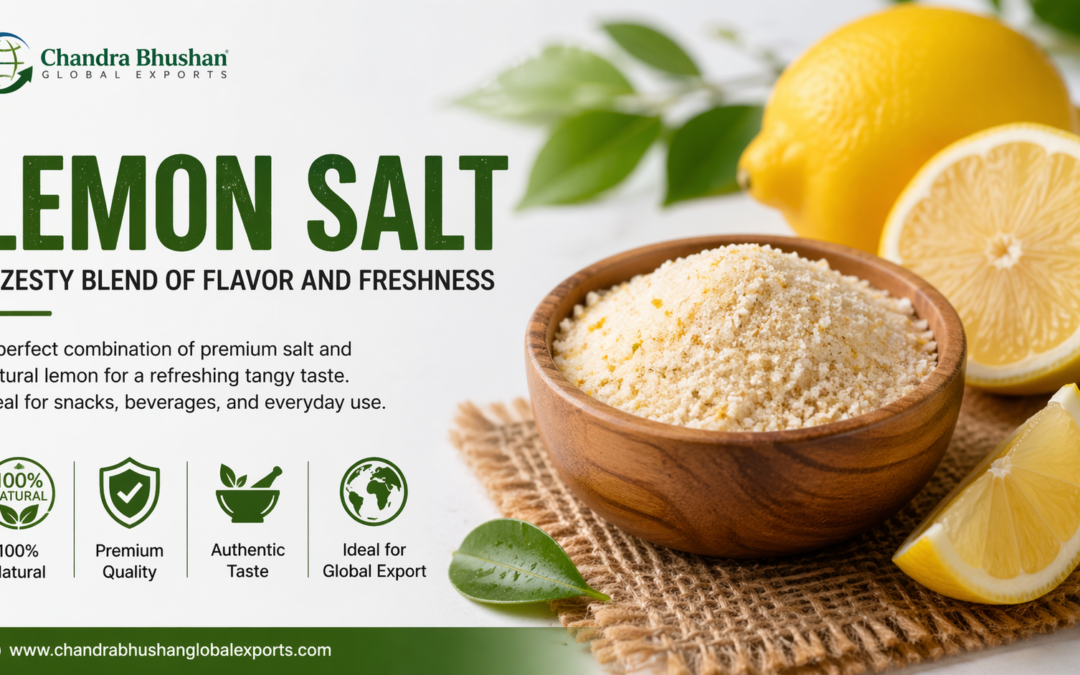
The name “lemon salt” comes from its appearance: it looks almost identical to coarse salt or sugar crystals, and it has that same powdery, granular texture. In India, it’s widely known as nimbu ka saat (literally meaning “essence of lemon”), and it’s a staple in South Asian households for cooking, preserving, and even cleaning.
Citric acid is found naturally in lemons a single lemon contains between 1.38 to 1.5 grams of citric acid. Commercially, lemon salt is produced through microbial fermentation, typically using a fungus called Aspergillus niger and a sugar source like molasses or corn starch.
Table of Contents
- What Is Lemon Salt?
- Lemon Salt in English and Other Names
- How Lemon Salt Is Made
- Types of Lemon Salt Water
- Plain Lemon Salt + Water
- Lemon Salt + Pink Himalayan Salt + Water
- Warm Lemon Salt Water
- Lemon Salt Water with Honey
- Health Benefits of Lemon Salt Water
- Supports Healthy Digestion
- May Help Prevent Kidney Stones
- Supports Hydration and Electrolyte Balance
- May Support Liver Health
- Helps with Weight Management
- Anti-Aging and Skin Benefits
- What Happens When You Do Not Stay Hydrated
- Symptoms of Mild Dehydration
- Effects of Sugary Drinks on Health
- Impact of Sugar on the Liver
- Hydration, Detox, and Common Myths
- Does Lemon Water Alkalize the Body?
- Can Lemon Water Damage Teeth?
- Uses of Lemon Salt
- In Pickling and Food Preservation
- As a Souring Agent in Cooking
- In Baking and Leavening
- In Drinks and Flavoring
- In Skincare and Cleaning
- Pros of Lemon Salt
- Cons of Lemon Salt
- Is Lemon Salt the Same as Citric Acid?
- Benefits of Drinking Lemon Salt Water Every Morning
- How Much Lemon Salt Should You Add to Water?
- Can Lemon Salt Water Help with Weight Loss?
- Is Lemon Salt Safe for Daily Use?
- Difference Between Lemon Salt Water and Regular Lemon Water
What is Lemon Salt
Lemon salt is commonly known as Citric Acid, a naturally occurring compound found in citrus fruits like lemons and oranges, although the version used in homes and industries is usually produced as a white crystalline powder. It gets the name “lemon salt” because it has a sharp, tangy taste similar to lemon juice while resembling fine salt in appearance. In everyday use, it is widely added to food for enhancing sourness in dishes like chutneys, candies, and beverages, and it also plays a role in food preservation due to its acidic nature.What Is Lemon?
Lemon (Citrus limon) is a popular citrus fruit known for its bright yellow color, refreshing aroma, and intensely sour taste. It grows on small evergreen trees native to Asia but now cultivated worldwide in warm climates. Lemons are valued for their juice, peel (zest), and natural freshness, making them a staple in drinks, cooking, desserts, home remedies, and even non-culinary uses.
Common Culinary Uses
Lemons are commonly added to:
Water and summer drinks (e.g., lemonade, infused water)Salads and snacks (as a dressing or garnish)Tea and herbal beverages (often with honey or ginger)Marinades and sauces (to tenderize meat and add acidity)Desserts and baked foods (e.g., lemon meringue pie, lemon cakes)
Wellness and Practical Uses
Lemon is also widely used in traditional wellness practices because of its vitamin C content and refreshing properties, as well as in natural cleaning solutions.
Key Characteristics of Lemon
Appearance
- Bright yellow outer peel when fully ripe (green when unripe)
- Round or oval shape, typically 5–8 cm in length
- Juicy inner pulp divided into segments, with small seeds
- Thin or thick skin depending on the variety (e.g., Eureka, Lisbon, Meyer)
Taste and Aroma
- Strong sour and tangy flavor (primarily from citric acid)
- Fresh, bright citrus fragrance
- Adds sharpness, acidity, and freshness to food and drinks
Nutritional Nature (per 100g raw, without peel)
- Naturally low in calories (~29 kcal)
- Rich source of vitamin C (~53 mg, ~88% of Daily Value)
- Contains antioxidants (flavonoids, limonoids) and plant compounds
- Includes small amounts of potassium (~138 mg) and dietary fiber (~2.8g)
Taste Profile
- Combination of salty and sour flavors
- Sharp, tangy, and refreshing taste
- Enhances and brightens the flavor of dishes without adding liquid
Common Uses of Lemon Salt
- Sprinkled on fresh fruits (e.g., apple, mango) and salads
- Added to chaats, street foods, and grilled corn
- Used in flavored drinks (e.g., spicy lemon sodas)
- Mixed into spice blends and dry rubs
- Sometimes used in homemade digestive drinks (e.g., jal-jeera)
Texture and Storage
- Usually available as fine powder or coarse granules
- Easy to store in airtight containers away from moisture
- A small quantity (¼ teaspoon or less) is enough for strong flavor
Types of Lemon Salt Water
Plain lemon salt + water
It is the simplest version just citric acid dissolved in water. It mimics fresh lemon water, supporting digestion and providing a mild dose of antioxidants. It’s best drunk first thing in the morning on an empty stomach.
Lemon salt + pink Himalayan salt + water
It is a more electrolyte-focused version. Adding a small pinch of real mineral salt (not table salt) creates a naturally hydrating drink that replenishes sodium, potassium, and magnesium especially useful after exercise, during illness, or in hot climates.
Warm lemon salt water
It increases the digestive benefit. Warm water encourages bile production, and the citric acid from lemon salt stimulates peristalsis the muscle contractions that move food through your gut. Many people with slow digestion or morning bloating find this combination particularly effective.
Lemon salt water with honey
It adds a natural energy boost and soothes the throat. It’s a classic remedy for colds and sore throats across many cultures, and the combination of citric acid and honey also creates a mildly prebiotic environment that supports gut bacteria.
Health Benefits of Lemon Salt Water
1. Supports Healthy Digestion
When you drink lemon salt water, especially warm, first thing in the morning, the citric acid interacts with stomach acid and bile to kick-start your digestive system. Citric acid has been shown to enhance the bioavailability of certain minerals like calcium and iron, making it easier for your body to absorb nutrients from the food that follows.
2. Natural Boost for Kidney
One of the more scientifically backed benefits of lemon salt water is its role in kidney stone prevention. Citric acid raises the urinary citrate level, which helps prevent calcium from binding with other compounds to form kidney stones. Research published in Urological Research found that lemon juice (and by extension, citric acid) can increase urinary citrate levels and may help reduce the recurrence of calcium oxalate kidney stones.
3. Immune Support Through Vitamin-Like Antioxidant
While lemon salt itself doesn’t contain Vitamin C (ascorbic acid is a different compound), its sour flavor and antioxidant-like properties support the body’s natural defense mechanisms. Citric acid helps neutralize free radicals and creates a pH environment in the gut that is less hospitable to harmful bacteria. People who regularly drink lemon water report fewer seasonal colds though this is likely due to a combination of better hydration, reduced inflammation, and often improved sleep and lifestyle habits that come with a regular morning routine.
4. Helps with Hydration and Electrolyte Balance
According to the U.S. National Academies of Sciences, the average adult needs between 2.7 to 3.7 liters of water per day but the majority of people fall short of this. One of the main reasons people don’t drink enough water is simply that plain water tastes boring. The tangy flavor from citric acid makes water noticeably more palatable and enjoyable, which naturally leads to drinking more of it. When combined with a pinch of mineral salt, it also provides sodium and trace minerals that encourage cells to retain and use water more effectively.
5. It Supports Liver Health
The liver is your body’s primary detox organ, processing everything from medications to metabolic waste. Citric acid supports liver function by acting as an intermediate in the Krebs cycle the energy production pathway that every cell in your body relies on. A regular consumption of citric acid-rich fluids has been associated with reduced markers of oxidative stress in the liver
6. Weight Management
Drinking water before meals reduces appetite, and the sour taste of lemon salt water appears to have an additional satiety effect. Some research suggests that citric acid may slow gastric emptying slightly, meaning food stays in the stomach longer and you feel full for more time. Drinking 500ml of water before meals led to 44% greater weight loss over 12 weeks compared to a control group. Adding lemon salt to that water makes it easier to actually stick to the habit.
7. Anti-Aging Effects
Citric acid is a well-known alpha-hydroxy acid (AHA) used extensively in skincare. When consumed internally, it contributes to collagen synthesis and skin cell turnover. Regular consumption of citric acid-rich drinks has been associated with brighter skin tone and a reduction in dullness.
Benefits of Lemon Supports Hydration
Adding lemon to water can make plain water more refreshing and enjoyable, which may help some people drink more fluids throughout the day. This is especially useful for those who dislike plain water.
Rich in Vitamin C
Lemon is well known for its vitamin C content, which supports normal immune function, helps protect cells from oxidative stress, and contributes to healthy skin.
Adds Fresh Flavor Naturally
Lemon juice can improve the taste of foods and drinks without adding much fat, sugar, or sodium, making it a heart-friendly flavor enhancer.
May Support Digestion
Many people use lemon water before or after meals as part of their daily digestive routine. Its sour nature may help stimulate the taste buds and digestive enzymes for some individuals, although effects vary.
Helps Iron Absorption
Vitamin C in lemon significantly helps the body absorb non-heme iron (iron from plant-based foods) more effectively from sources such as spinach, lentils, beans, and fortified cereals. Combining lemon juice with these foods can help reduce the risk of iron deficiency.
Benefits of Lemon
Supports Hydration
Adding lemon to water can make plain water more refreshing and enjoyable, which may help some people drink more fluids throughout the day. This is especially useful for those who dislike plain water.
Rich in Vitamin C
Lemon is well known for its vitamin C content, which supports normal immune function, helps protect cells from oxidative stress, and contributes to healthy skin.
Adds Fresh Flavor Naturally
Lemon juice can improve the taste of foods and drinks without adding much fat, sugar, or sodium, making it a heart-friendly flavor enhancer.
May Support Digestion
Many people use lemon water before or after meals as part of their daily digestive routine. Its sour nature may help stimulate the taste buds and digestive enzymes for some individuals, although effects vary.
Helps Iron Absorption
Vitamin C in lemon significantly helps the body absorb non-heme iron (iron from plant-based foods) more effectively from sources such as spinach, lentils, beans, and fortified cereals. Combining lemon juice with these foods can help reduce the risk of iron deficiency.
Refreshing and Versatile in Beverages
Lemon is useful in:
- Summer coolers (lemonade, mint lemon cooler)
- Herbal teas (with ginger or chamomile)
- Salad dressings (vinaigrettes)
- Fruit bowls (prevents browning)
- Homemade wellness drinks (warm lemon water, honey-lemon tea)
Useful Beyond Food
Lemon is also widely used in:
- Natural cleaning mixtures (mixed with vinegar or baking soda)
- Kitchen freshness routines (deodorizing cutting boards)
- Removing mild odors from surfaces and hands (e.g., garlic or fish smells)
Quick Comparison: Lemon vs. Lemon Salt
| Feature | Fresh Lemon | Lemon Salt |
|---|---|---|
| Form | Whole fruit or juice | Powder/granules |
| Flavor | Sour, slightly sweet | Sour + salty |
| Shelf life | Days to weeks (refrigerated) | Months to years (dry storage) |
| Main use | Cooking, drinks, garnishing | Seasoning snacks, dry rubs |
| Contains salt | No | Yes (often 50–90% salt) |
Lemon Salt Uses: Cleaning Hacks, Hot Water Uses
Symptoms and Risks of Mild Dehydration
Over 75% of Americans are estimated to be chronically mildly dehydrated, according to studies published in medical journals like Nutrients and the Journal of Human Nutrition and Dietetics. The consequences of even mild dehydration (1–2% body fluid loss) include fatigue, difficulty concentrating, headaches, slowed metabolism, and irritability symptoms most people attribute to stress, poor sleep, or their jobs.
How Sugary Drinks Affect Metabolic Health
Beyond dehydration, the modern diet is loaded with sugar-heavy drinks. The average Indian consumes over 20 liters of packaged beverages per month; globally, sugary drink consumption is linked to an epidemic of metabolic disorders, fatty liver disease, and type 2 diabetes. The World Health Organization estimates that excess sugar intake contributes to approximately 1.3 million deaths per year from cardiovascular disease and diabetes-related complications.
Impact of Sugar on the Liver
The liver, which processes fructose from sugary drinks, bears a particularly heavy burden. Chronic high sugar intake has been linked to non-alcoholic fatty liver disease (NAFLD), which now affects approximately 25% of the global population. Replacing even one sugary drink per day with lemon salt water eliminates a significant fructose load on the liver while simultaneously supporting it with citric acid.
Lemaon Salts: Hydration, Detox, and the Myths
Body doesn’t need a “detox” in the dramatic sense. Your liver, kidneys, skin, and lungs do that continuously.
How Proper Hydration Protects Kidney Health
Research confirms: Adequate hydration reduces the burden on the kidneys by diluting urine and lowering the concentration of waste products. Adults who maintain good daily hydration show a 30–50% lower risk of chronic kidney disease progression compared to those who are chronically under-hydrated, according to research from the Clinical Journal of the American Society of Nephrology.
How Citric Acid Supports Energy and Metabolism
Citric acid, as part of the Krebs cycle, is also involved in mitochondrial energy production which means it’s not just a flavoring agent but a genuine participant in cellular metabolism.
Does Lemon Water Alkalize the Body?
The myth worth debunking: Lemon water does not “alkalize” your blood. Your blood pH is tightly regulated between 7.35 and 7.45, and no food or drink changes it. However, lemon water can make urine less acidic, which reduces kidney stone risk and creates a less hospitable environment for certain urinary tract bacteria. That’s a real benefit just not the “alkalizing” narrative that gets circulated online.
Can Lemon Water Damage Teeth?
In large amounts can erode tooth enamel over time. The fix is simple drink lemon salt water through a straw, or rinse your mouth with plain water afterward. This is a minor concern when it is used in the small quantities typical of recipes or a daily drink.
Practical Insight
- A quarter teaspoon of lemon salt dissolved in one liter of water closely mimics the acidity of commercially bottled lemon water at a fraction of the cost.
- Lemon salt dissolves instantly in water, unlike lemon juice which can leave pulp or require shaking. It’s genuinely more convenient for office or travel use.
- In Indian cooking, a pinch of lemon salt added during the last minute of cooking preserves the bright green color of vegetables like peas and spinach a professional kitchen trick.
- Many people with iron-deficiency anemia are told to take iron supplements with lemon juice. Lemon salt works equally well because it’s the citric acid that enhances iron absorption, not the Vitamin C specifically.
Uses of Lemon Salt
How Lemon Salt Helps in Pickling
It is a natural preservative. Its acidity inhibits bacterial and mold growth, which is why it’s been used in preserving jams, pickles, and canned goods long before commercial preservatives existed. It’s particularly popular in mango pickle (aam ka achaar) and lemon pickle recipes.
Using Lemon Salt as a Consistent Souring Agent in Cooking
Anywhere a recipe calls for tamarind, amchur, or lemon juice for tartness, lemon salt can substitute and often more consistently, since its sourness doesn’t vary with the season or lemon variety. It’s especially useful in dal, rasam, chutneys, and lemonade syrups.
How Citric Acid Works as a Leavening Agent in Baking
Combined with baking soda, citric acid acts as a leavening agent, producing carbon dioxide gas that makes baked goods rise. This combination is actually the basis for many commercial baking powders.
Why Lemon Salt Enhances Flavor
From homemade sherbets to nimbu pani to sports drinks, a pinch of lemon salt gives the precise sour punch that makes drinks refreshing. It’s the secret behind the sourness in many commercial lemon-flavored drinks and candies.
Uses of Lemon Salt in Skincare
It is widely used as a natural descaler for kettles and coffee machines (its acidity dissolves calcium deposits), as a mild cleaning agent for surfaces, and in some DIY skincare formulations as an exfoliant.
Pros and Cons of Lemon Salt
1. Extremely Long Shelf Life
It remains stable for 2–3 years when stored in a cool, dry place.
>Unlike fresh lemons, it doesn’t spoil or lose potency quickly, making it highly convenient for long-term use.
2. Consistent Sourness
It delivers the same level of tartness every time, regardless of season or lemon quality.
>This consistency is especially useful in recipes where precise flavor balance matters.
3. Cost-Effective Alternative
A small 100g pack can provide the same sourness as dozens of lemons at a fraction of the cost. This makes it ideal for bulk cooking, commercial use, or regular household consumption.
4. Instant Dissolution
It dissolves quickly in both hot and cold liquids without leaving residue.
>This ensures even distribution of flavor, especially in beverages and syrups.
5. Highly Multiple Usage
It can be used in cooking, baking, beverages, cleaning, and even DIY health remedies.
>This multi-purpose nature makes it a valuable addition to both kitchen and household routines.
6. Safe in Moderate Quantities
When used in typical food amounts, citric acid is generally safe for most people. It is widely approved as a food additive and has a long history of safe consumption.
7. Zero Sugar, Sodium, and Calories
Pure lemon salt contains no sugar, fat, sodium, or calories. This makes it suitable for people managing weight, diabetes, or low-sodium diets.
Cons of Lemon Salt (Citric Acid)
1. Lacks Vitamin C
Unlike fresh lemons, It does not provide Vitamin C or antioxidants.
>So while it mimics sourness, it cannot replace the nutritional benefits of real lemon juice.
2. Risk of Tooth Enamel Erosion
Frequent or undiluted consumption can gradually weaken tooth enamel.
>This happens because strong acids soften enamel over time, increasing sensitivity.
3. May Trigger Acid Sensitivity (GERD)
People with acid reflux or citrus sensitivity may experience discomfort after consumption. Acidic drinks can aggravate symptoms like heartburn or stomach irritation in such individuals.
4. Not a Complete Hydration Substitute
It should not replace plain water as your primary fluid intake. Balanced hydration requires a mix of water, electrolytes, and natural fluids.
5. Quality Variations in Market Products
Some lower-grade products may include additives or impurities. Always check for “food-grade” and pure citric acid to ensure safety and quality.
People Also Ask About Lemon Salt
Is lemon salt the same as citric acid?
Yes, Citric acid are the same thing. It is simply the common name, especially in South Asian markets, for food-grade citric acid crystals. It’s derived from the same organic acid found naturally in lemons and other citrus fruits, and it’s used in both cooking and health applications.
What are the benefits of drinking lemon salt water every morning?
Drinking lemon salt water in the morning supports digestion by stimulating bile production, encourages healthy hydration, provides citric acid which supports kidney health by reducing stone formation risk, and may boost energy levels by supporting mitochondrial function. Effective when consumed warm, on an empty stomach.
How much lemon salt should I add to water?
For a daily health drink, dissolve approximately one-quarter to one-half teaspoon (1–2 grams) of lemon salt in one liter of warm or room-temperature water. This produces a mildly tangy drink similar in acidity to diluted fresh lemon juice. Start with a smaller amount and adjust to taste.
Can lemon salt water help with weight loss?
Yes, It supports weight management indirectly. It’s nearly calorie-free, making it a beneficial replacement for high-sugar drinks. Drinking it before meals supports satiety, and adequate hydration is closely linked to better metabolism and appetite regulation. It is not a standalone weight-loss solution but works well as part of a healthy lifestyle.
Is lemon salt safe for daily use?
Yes, It is safe for most people in typical food quantities the same amounts used in cooking or a daily drink. People with GERD, acid reflux, active peptic ulcers, or citrus sensitivities should be cautious and speak with their doctor. Drinking lemon salt water through a straw is advisable to protect tooth enamel over time.
What is the difference between lemon salt water and regular lemon water?
Lemon salt water uses citric acid crystals dissolved in water, while regular lemon water uses fresh lemon juice. Both provide citric acid and a sour flavor. The key difference is that fresh lemon water also contains Vitamin C, flavonoids, and trace nutrients absent in pure lemon salt. Lemon salt water is more consistent, shelf-stable, and convenient but offers a narrower nutritional profile.
Frequently Asked Questions
Q: Can I use lemon salt in cooking as a substitute for lemon juice?
A: Absolutely. Use about one-quarter teaspoon of lemon salt to replace the juice of one medium lemon. It works well in most savory dishes, beverages, and preserves. Keep in mind it lacks the aromatic oils found in lemon zest, so for dishes where the fresh lemon fragrance matters, a combination of lemon salt and zest works best.
Q: What is the price of lemon salt in India?
A: It is widely available and very affordable. A standard 100g pack of food-grade lemon salt (citric acid / nimbu ka saat) typically costs between ₹30 to ₹80, depending on the brand and retailer. Popular brands like Surya, Weikfield, and various local suppliers offer reliable food-grade quality. Bulk packs of 250g to 500g offer better value for regular users.
Q: Does lemon salt expire?
A: Citric acid is inherently stable and does not spoil in the way organic foods do. A sealed pack has a shelf life of two to three years. Once opened, store in an airtight container away from moisture and direct sunlight.
Q: Can children drink lemon salt water?
A: In small quantities, yes lemon salt water is safe for children over three years old and can be a healthy alternative to sugary juice drinks. Use a smaller dose (a pinch in a full glass of water) and ensure it’s part of a varied diet. Always consult a pediatrician if your child has any specific health conditions.
Q: Is lemon salt good for the liver?
A: Lemon salt water supports liver function by promoting hydration (essential for all metabolic processes), providing citric acid which participates in the Krebs cycle, and replacing sugary drinks that create a fructose burden on the liver. It is not a liver treatment, but it’s a genuinely supportive daily habit.
Q: Where can I buy good quality lemon salts?
A: Food-grade lemon salts is available in most grocery stores, supermarkets, and online platforms across India and globally. Look for products labeled “food grade citric acid” or “nimbu ka saat” and check that there are no unnecessary additives. Brands like Surya Masale, Weikfield, and Patanjali offer widely trusted options.